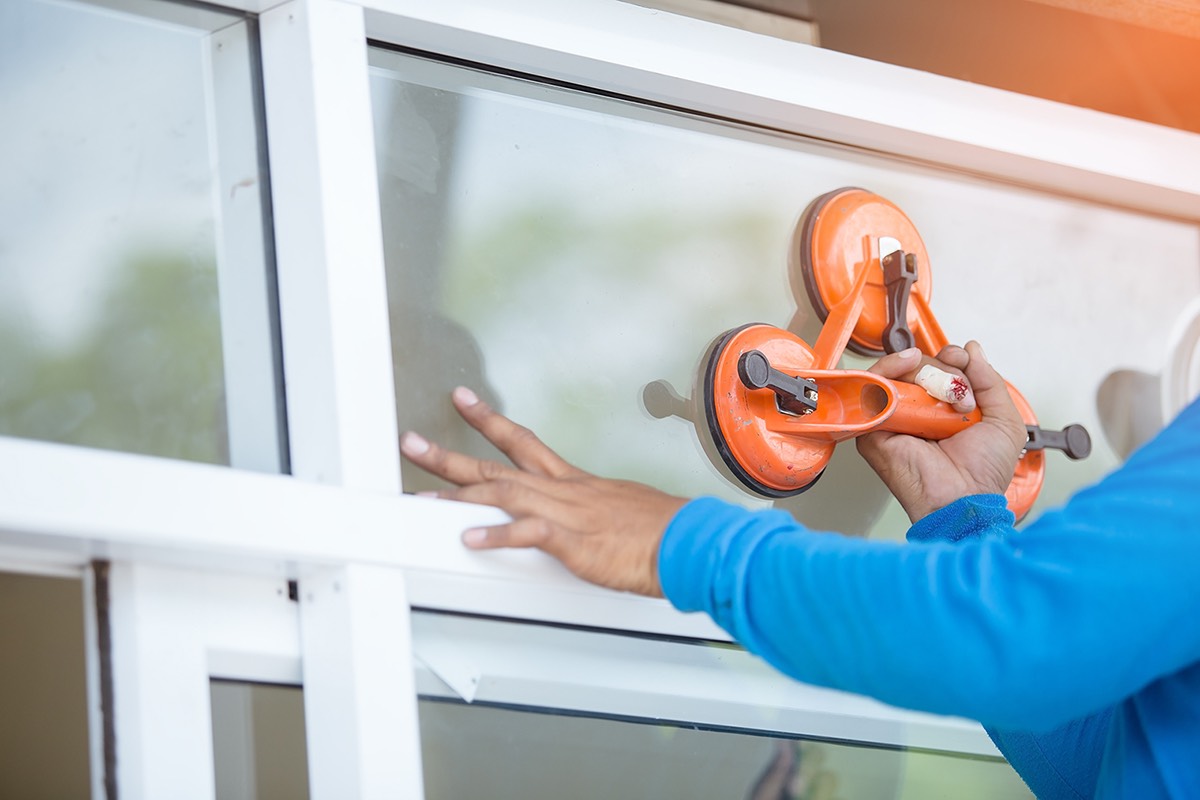
Emergency Window Repair: A Comprehensive Guide
When it concerns home upkeep, windows often take a backseat up until a crisis strikes. Whether window weatherstripping repair 's a shattered pane, a broken lock, or a drafty frame, emergency window repair is a crucial skill that can conserve house owners from more damage and possible hazards. This post explores the necessary steps and ideas for managing emergency window repairs, ensuring that house owners are well-prepared for any unpredicted issues.
Comprehending the Importance of Emergency Window Repair
Windows are more than just openings in the wall; they are crucial parts of a home's structure and security. A harmed window can result in a variety of issues, including:
- Energy Loss: Drafty windows can considerably increase heating and cooling expenses.
- Security Risks: Broken windows are easy entry points for trespassers.
- Water Damage: Leaks can trigger mold and rot, resulting in expensive repairs.
- Safety Hazards: Shattered glass can posture a severe danger of injury.
Offered these prospective concerns, it is vital to attend to window repairs quickly and successfully.
Typical Emergency Window Repair Scenarios
1. Shattered Glass
A shattered window is among the most immediate repair needs. Here's how to handle it:
- Safety First: Wear gloves and security goggles to protect yourself from sharp glass.
- Remove Broken Glass: Carefully get rid of all broken glass from the frame using a putty knife or a similar tool.
- Step the Opening: Accurately measure the dimensions of the window opening to ensure a perfect suitable for the replacement glass.
- Install the New Pane: Place the new glass into the frame and protect it with glazing points or putty.
- Seal the Edges: Apply a thin layer of silicone sealant around the edges to ensure a watertight seal.
2. Broken Locks
A broken lock can jeopardize the security of your home. Here's how to fix it:
- Identify the Issue: Determine whether the lock is jammed, harmed, or simply requires lubrication.
- Lube the Lock: Apply a lube such as graphite or WD-40 to the lock system.
- Replace the Lock: If the lock is irreparably harmed, eliminate the old lock and install a new one. Ensure the new lock is compatible with your window type.
- Evaluate the Lock: After setup, test the lock to guarantee it operates efficiently and firmly.
3. Drafty Windows
Drafty windows can be a significant source of energy loss. Here's how to deal with the problem:
- Identify the Source: Determine whether the draft is originating from gaps in the frame or around the window.
- Apply Weatherstripping: Use weatherstripping to seal gaps around the window frame. Typical types consist of foam tape, V-strip, and felt.
- Install Insulating Film: For a more comprehensive solution, use insulating film to the window glass. This can substantially decrease heat loss.
- Check the Seals: Regularly examine the seals and replace them if they show indications of wear.
4. Leaking Windows
Water leakages can trigger significant damage to your home. Here's how to fix a dripping window:
- Locate the Leak: Identify the precise location of the leak. Common areas include the seals, joints, and drainage holes.
- Tidy the Area: Remove any dirt or debris from the affected location.
- Seal the Leak: Apply a waterproof sealant to the leaky area. Silicone caulk is a popular choice for its resilience and versatility.
- Examine the Drainage: Ensure that the window's drain holes are clear to prevent water from accumulating.
Tools and Materials Needed for Emergency Window Repair
- Security Gear: Gloves, safety goggles, and a dust mask.
- Tools: Putty knife, screwdriver, hammer, pliers, and an utility knife.
- Materials: Replacement glass, glazing points or putty, silicone sealant, weatherstripping, insulating movie, and water resistant sealant.
Step-by-Step Guide to Emergency Window Repair
Shattered Glass Repair
- Prepare the Area: Clear the area around the window and lay down a ground cloth to catch any falling glass.
- Eliminate Broken Glass: Use a putty knife to thoroughly eliminate all damaged glass from the frame.
- Procedure the Opening: Measure the measurements of the window opening properly.
- Cut the New Glass: Cut a brand-new pane of glass to the specific measurements.
- Install the New Pane: Place the new glass into the frame and protect it with glazing points or putty.
- Seal the Edges: Apply a thin layer of silicone sealant around the edges to ensure a watertight seal.
Broken Lock Repair
- Recognize the Issue: Determine the specific issue with the lock.
- Lube the Lock: Apply a lube to the lock mechanism.
- Get Rid Of the Old Lock: If the lock is harmed, remove it from the window.
- Install the New Lock: Install a new lock that works with your window type.
- Check the Lock: Ensure the new lock operates smoothly and securely.
Drafty Window Repair
- Recognize the Source: Determine the cause of the draft.
- Apply Weatherstripping: Install weatherstripping around the window frame.
- Install Insulating Film: Apply insulating film to the window glass.
- Examine the Seals: Regularly examine and replace worn seals.
Leaky Window Repair
- Find the Leak: Identify the source of the leak.
- Tidy the Area: Remove any dirt or debris.
- Seal the Leak: Apply a water resistant sealant to the leaking location.
- Check the Drainage: Ensure the window's drain holes are clear.
Frequently asked questions
Q: Can I replace a window pane myself?
A: Yes, with the right tools and preventative measures, you can replace a window pane yourself. Nevertheless, if you are not comfy with the process, it is best to employ a professional.
Q: What type of sealant should I utilize for a dripping window?
A: Silicone caulk is a popular choice for its resilience and flexibility. It works in sealing spaces and preventing water leaks.
Q: How frequently should I check my window seals?
A: It is a good practice to inspect your window seals a minimum of once a year, particularly before the winter. This helps guarantee that they are in excellent condition and can prevent energy loss and water damage.
Q: What is the very best way to clean up a window before applying sealant?
A: Use an option of mild soap and water to clean the location. Wash thoroughly and enable it to dry completely before using the sealant.
Q: Can I use duct tape as a momentary repair for a damaged window?
A: While duct tape can supply a momentary option to prevent drafts and additional damage, it is not a long-lasting fix. It is necessary to replace the glass as quickly as possible to make sure safety and security.
Emergency window repair is an essential skill for property owners to master. By comprehending the common concerns and following the actions laid out in this guide, you can effectively deal with window problems and keep the stability and safety of your home. Whether it's a shattered pane, a damaged lock, a drafty window, or a leakage, prompt and appropriate repair can save you from additional damage and prospective hazards. Constantly prioritize safety and, if in doubt, seek professional help.
By taking proactive actions and keeping the needed tools and products on hand, you can manage most emergency window repairs with self-confidence. Keep in mind, a well-maintained home is a safe and comfortable home.